Heating a Pool in Southwest Florida: Heat Pumps, Solar and Heaters
Florida sun doesn't mean a warm pool year round. Here's what each heating option actually suits.
September 16, 2026 · 3 min read
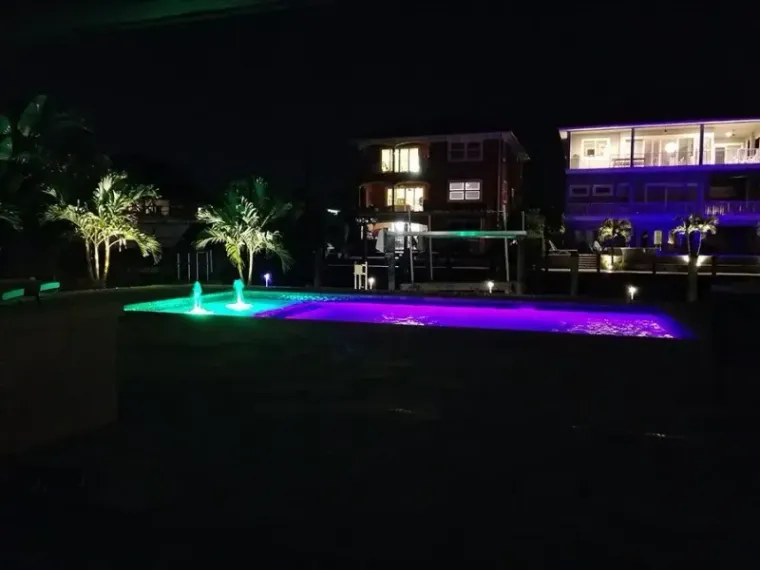
It surprises a lot of new pool owners how cool the water can feel on a Cape Coral morning even in a state known for sunshine. Air temperature and water temperature don't move together the way people assume, and once the water dips below a comfortable range, an unheated pool can sit mostly unused for weeks at a time. That's the gap pool heating is meant to close, and there's more than one way to do it.
Heat pumps: steady warmth pulled from the air around them
A heat pump doesn't generate heat by burning fuel. It pulls warmth from the surrounding air and transfers it into your pool water, which is part of why they tend to run efficiently in a climate where the air is warm most of the year. They're a common choice for owners who want dependable, steady heating across the swim season rather than a quick burst of heat on demand.
Solar heating systems: using the sun that's already there
A solar heating system routes pool water through panels that capture heat directly from sunlight before returning the warmed water to the pool. It leans on a resource Florida has no shortage of, and for owners looking to reduce ongoing running costs, it's worth discussing alongside or instead of a heat pump, depending on your roof orientation and how much direct sun your property actually gets.
Heaters: the option for fast, on-demand heat
A dedicated heater is built to raise water temperature quickly rather than gradually, which matters if you're the kind of household that decides to use the spa on a whim rather than planning ahead. It's a different job than a heat pump or solar system is built to do, and for some homeowners the two approaches make sense side by side: steady baseline warmth from one system, fast heat on demand from another.
How this ties into the rest of your equipment
Heating rarely gets chosen in isolation. It sits alongside your salt chlorine generator, your equipment automation, and however you've set up remote control access, all running off the same equipment pad. Getting the heating conversation right at the design stage, rather than bolting it on afterward, is part of why we walk through computerized designs with you before construction starts.
How much of the year you actually want to swim
The right heating setup depends less on what other people install and more on how you want to use your pool. A household that swims mainly on weekends in warm months might get by comfortably without any heating at all. A household that wants a spa running on cool January evenings, or a pool that stays usable through more of the year, needs to think about heating as part of the original design rather than an afterthought added later.
Retrofitting an older pool with heating
Not every heating conversation happens at the design table for a new build. Plenty of homeowners come to us with an existing pool that's never had heating and want to add it now. A heat pump or heater can usually be added to an existing equipment pad without disturbing the pool shell itself, which makes retrofitting a heating system one of the more approachable upgrades for a pool that's otherwise working fine as it is.
Running costs are part of the decision, not an afterthought
Different heating methods carry different ongoing running costs, and that's worth weighing against how often you'll actually use the heat. A system that runs constantly through a long swim season adds up differently than one used occasionally for a spa on cooler evenings. This is exactly the kind of tradeoff worth talking through with someone who installs this equipment regularly, rather than guessing from a spec sheet.
- Heat pump: steady, efficient warmth for owners who use the pool regularly across the season
- Solar heating system: leans on Florida sun, worth discussing based on roof orientation and sun exposure
- Heater: fast, on-demand heat for spontaneous use, especially for a spa
- All three tie into equipment automation and remote control, so heating fits the way you actually use the pool
We're Hayward dealers and every equipment installation carries a 3-year warranty, so whichever heating approach makes sense for your yard, it's backed the same way the rest of your pool equipment is. If you're not sure which option fits your household, that's exactly the kind of question a free in-home estimate is for.
Craig's Pacific Pools, 239-458-8600
Call 239-458-8600More articles
What Actually Happens When a Custom Pool Gets Built
From the first sketch to the final walkthrough, here's what building a custom pool in Cape Coral really looks like.
Signs Your Vinyl Pool Liner Is Near the End of Its Life
Vinyl liners don't last forever. Here's what to watch for, and what happens once you decide it's time.