What Actually Happens When a Custom Pool Gets Built
From the first sketch to the final walkthrough, here's what building a custom pool in Cape Coral really looks like.
September 16, 2026 · 4 min read
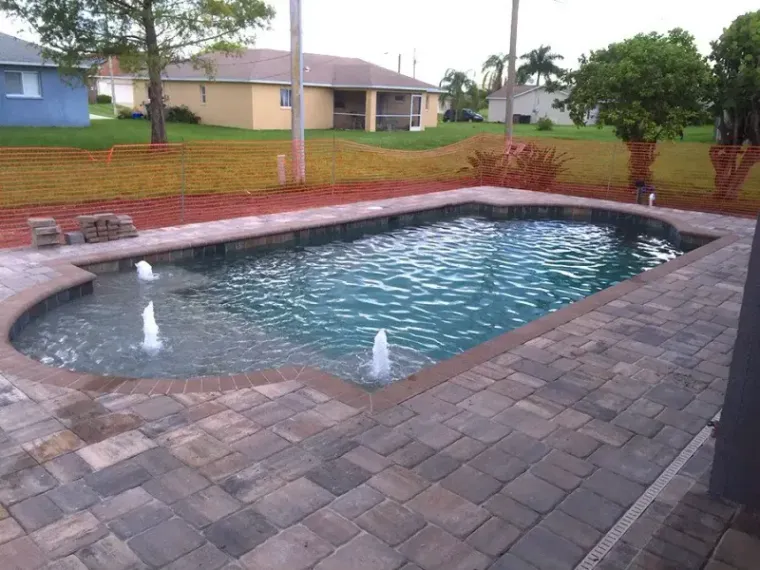
Most homeowners who call us have never built a pool before, and there's no reason they should have. It's not something you do more than once or twice in a lifetime. So before the first shovel goes in the ground, it helps to know roughly what the next several weeks look like, because a pool build has a rhythm to it, and knowing that rhythm makes the whole thing far less stressful.
It starts at your kitchen table, not a job site
We give free in-home estimates on every project, and that first visit is really a conversation. We walk your yard, look at where the sun sits through the day, talk about how your family actually uses outdoor space, and start narrowing down shape, size and placement. Our owner personally supervises every aspect of the company's services, and that starts right here, not later once the crew shows up.
Computerized design comes before construction, not after
One thing that surprises people is how much gets settled before anything is dug. We use computerized designs to help you visualize and analyze the entire project ahead of time, which means you're looking at your actual pool, sized to your actual yard, before we commit to a shovel touching the ground. This is where decisions on a tanning ledge, a raised spillway spa, or where ColorLogic lighting goes get made calmly, at a table, instead of on the fly mid-build.
Excavation and shell: the part that looks the most dramatic
Once the design is locked, excavation is usually the fastest-moving and most visually dramatic stage. A hole appears where your yard used to be, steel goes in, and the shell starts taking shape. It's also the stage where a lot of homeowners get nervous, because a construction site rarely looks like the finished picture in your head. That's normal. This is structural work, and structural work is not meant to look pretty yet.
Plumbing, equipment and the decisions that are easy to skip
This is where pumps, returns, feeds and your equipment pad get laid out, and where features like salt chlorine generators, heat pumps, solar heating, or equipment automation actually get tied in. It's tempting to leave equipment choices for later because they're less visually exciting than tile or lighting, but the plumbing runs and equipment placement decided at this stage are much harder to change once decking goes down over them. Ask questions here even if they feel basic.
Decking, finishes and the features that make it feel like yours
Paver decking, tile selection, water features like waterfalls and rock falls, and any spa detailing happen toward the end, once the shell and plumbing are proven out. This is also where a project starts to look less like a construction site and more like the yard you're going to use every weekend. Large or small, simple or complex, this is the stage where the features you chose at the design table start becoming visible.
Weather, permitting and why timelines flex
Anyone who has watched a Cape Coral summer roll in knows afternoon rain is part of life here, and a pool build has to work around it the same way any outdoor construction does. Excavation and concrete work are the stages most sensitive to weather, since a downpour can push a pour back a day. Permitting is the other piece that moves at its own pace, and it happens in parallel with early design work rather than after it, so the paperwork isn't sitting idle while you're deciding on tile.
The curing period nobody warns you about
Once the shell is in and finished, there's a curing and settling period before the pool is ready for regular use. It's easy to forget this stage exists when you're staring at a finished-looking pool and want to jump straight in, but rushing water chemistry or heavy use too early is a common way small problems start early in a pool's life. A short wait here protects the years of use that follow it.
The final walkthrough
Before we consider a project finished, we walk the whole thing with you: equipment operation, lighting, any automation or remote controls, and the water itself. This is the point to ask anything you were unsure about earlier, and to make sure every feature you chose at the design table actually works the way you pictured it. A pool that's been walked through properly is a pool you'll actually understand once we've left the site.
Where your decisions matter most
- The design table: shape, size and feature list, before anything is dug
- Equipment selection: chlorine generation, heating and automation, before plumbing is buried under decking
- Placement of lighting and water features, decided early enough to run wiring and plumbing cleanly
- Decking material and finish, which you'll be walking on barefoot for years
None of this happens on a schedule you're left guessing at. We'll be with you throughout the whole process, and we'll work with you from start to finish to make sure your pool is installed the way it was designed, through weather delays, permitting, and the quieter curing stage most homeowners never think about until it's their turn to wait through it. If you're just starting to think about a custom pool, the best next step is the same one every project starts with: a free in-home estimate, no pressure, just a conversation about your yard.
Craig's Pacific Pools, 239-458-8600
Call 239-458-8600More articles
Signs Your Vinyl Pool Liner Is Near the End of Its Life
Vinyl liners don't last forever. Here's what to watch for, and what happens once you decide it's time.
Choosing Pool Features That Actually Get Used
Every feature looks good in a photo. Here's how to figure out which ones you'll actually use.